What are
Garage Door Seals?
Garage door seals are fitted to a garage door or along the floor beneath it to help close gaps between the door and the surrounding surface.
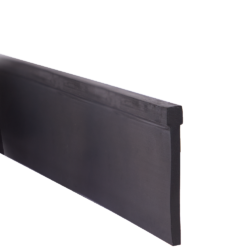
Different seals are designed for different applications. Rubber garage door seals provide a continuous rubber edge, while brush strip seals use flexible bristles to make contact with the surrounding surface. Floor threshold seals sit on the ground beneath the closed door to create a raised barrier.
The right choice depends on the position of the gap and the type of protection you need.
Why Are
Garage Door Seals Important?
Even a small gap beneath or around a garage door can allow unwanted materials and air to enter. A suitable seal helps reduce these problems and keeps your garage better protected.
Garage door seals can help with:
- Rainwater: Reduce water entering through small gaps beneath your garage door
- Dust and Debris: Help limit the amount of dust, leaves and dirt that enter the garage
- Draughts: Reduce airflow entering through gaps around the sides and bottom of the garage door
- Pests: Help close potential entry points for mice, insects and other unwanted visitors
The effectiveness of a seal depends on choosing the right type and fitting it correctly
Brush Strip vs.
Rubber Garage Door Seals
Brush strip and rubber garage door seals work in different ways. Brush strips use flexible bristles, while rubber seals provide a continuous rubber edge. Neither is automatically the best option for every garage.
Your choice depends on the size and position of the gap, the surface the seal needs to meet and the problem you want to address. For example, a floor threshold seal may be worth considering when the main issue is a gap where the closed door meets the floor.
Not sure whether a brush strip or rubber seal is right for your garage? Discover the key differences, benefits and applications in our comparison guide.
Read Our Comparison GuideBrush Strip Seals
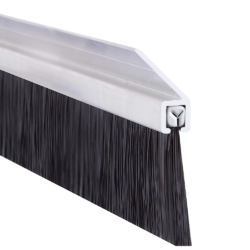
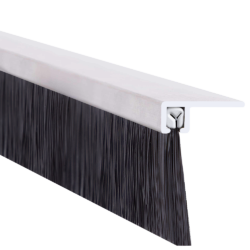
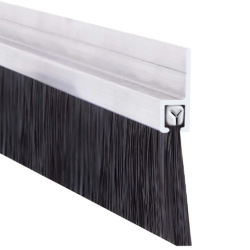
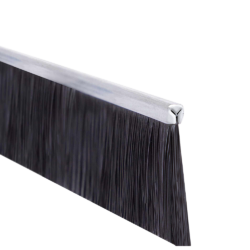
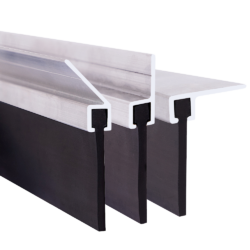
Brush Strip Seals use flexible bristles held in a carrier. They may be suitable for applications where the bristles need to make contact with a surrounding surface, including areas where there is some variation in the gap.
Floor Threshold Seals
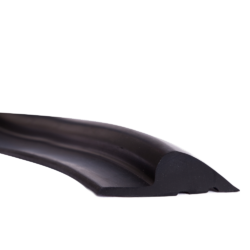
Formseal’s floor threshold seal is fitted to the garage floor rather than the door. When the door closes, it meets the raised seal to help reduce the entry of water, leaves and debris.
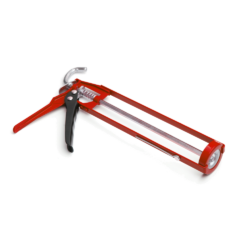
Formseal also offers a Floor Seal Threshold Kit, which includes the seal and materials for installation.
How to
Seal Gaps Beneath Your Garage Door
If you notice daylight beneath your garage door, or find water and debris collecting inside, it may be worth checking the gap and the condition of your existing seal.
For gaps beneath the door, there are two main options: a rubber seal fitted directly to the garage door or a threshold seal installed along the garage floor. Which option is suitable will depend on the size of the gap, how the door closes and the condition of the floor.
For more information on choosing between these options, read our blog on how to seal the bottom of a garage door.
Floor Threshold Seal Rubber Door SealCan Garage Door Seals Help
Prevent Pests?
Gaps beneath and around garage doors can provide potential entry points for mice, insects and other unwanted pests. Worn seals, uneven floors and openings around the door frame can all leave spaces that may need attention.
Choosing a suitable garage door seal for pest prevention can help close these gaps and reduce potential entry points. Formseal offers brush strips, rubber garage door seals and floor threshold seals for different applications. However, sealing alone may not resolve an existing infestation, so it is also important to check other openings and keep food and waste securely stored.
Want to know more about how pests enter your garage and how suitable seals can help? Read our blog to discover common entry points, what to look for and practical ways to reduce pest entry.
Read Our Pest Prevention BlogHow to Measure a
Replacement Garage Door Seal
Before ordering a replacement seal, check the length required and the dimensions of the existing seal or carrier. You should also measure the gap the seal needs to cover to help ensure the bristles or rubber make suitable contact.
For brush strips, the bristles should reach the surface without bending excessively. Checking the carrier dimensions and how it attaches can also help you identify a compatible replacement.
FAQs
Start by identifying where the gap is. A rubber seal can be fitted directly to the door, a floor threshold seal can be fitted beneath it, while brush strips can help seal gaps around other areas of the door.
A rubber garage door seal or floor threshold seal can help close the gap between the door and floor. This helps reduce rainwater, leaves, dirt and other debris entering the garage.
Yes, gaps beneath and around a garage door can provide potential entry points for mice, insects and other pests. A suitable seal can help close these gaps and reduce possible access points.
Yes, gaps around a garage door can provide potential entry points for mice, insects and other pests. Fitting a suitable seal can help close these gaps and reduce possible access points.
Brush strips use flexible bristles that can follow variations in a surface, while rubber seals provide a continuous rubber edge. The right choice depends on the location and size of the gap.
If you’re unsure about your options, get in touch with our team +44 (0) 1785 284808 and we will be happy to help you!
Measure the required seal length, the size of the gap and the bristle length needed to cover it. You should also check the carrier dimensions and how the existing seal is mounted.
Find the
Right Garage Door Seal with Formseal
Choosing the right garage door seal starts with understanding where the gap is and what you need to keep out. Whether you are looking to reduce water ingress, limit draughts, keep debris out or close potential entry points for pests, selecting a suitable seal is an important first step.
Explore Formseal’s Garage Door Sealing products


