Gaps around a garage door can let in draughts, dust, leaves and rainwater. The right seal can help reduce these problems, but not every type of seal works in the same way. Brush strips and rubber garage door seals are two options to consider, depending on your door, the size of the gap and what you want to keep out.
When comparing garage door seal rubber with brush strips, it is important to understand how each option works and where it can be used.
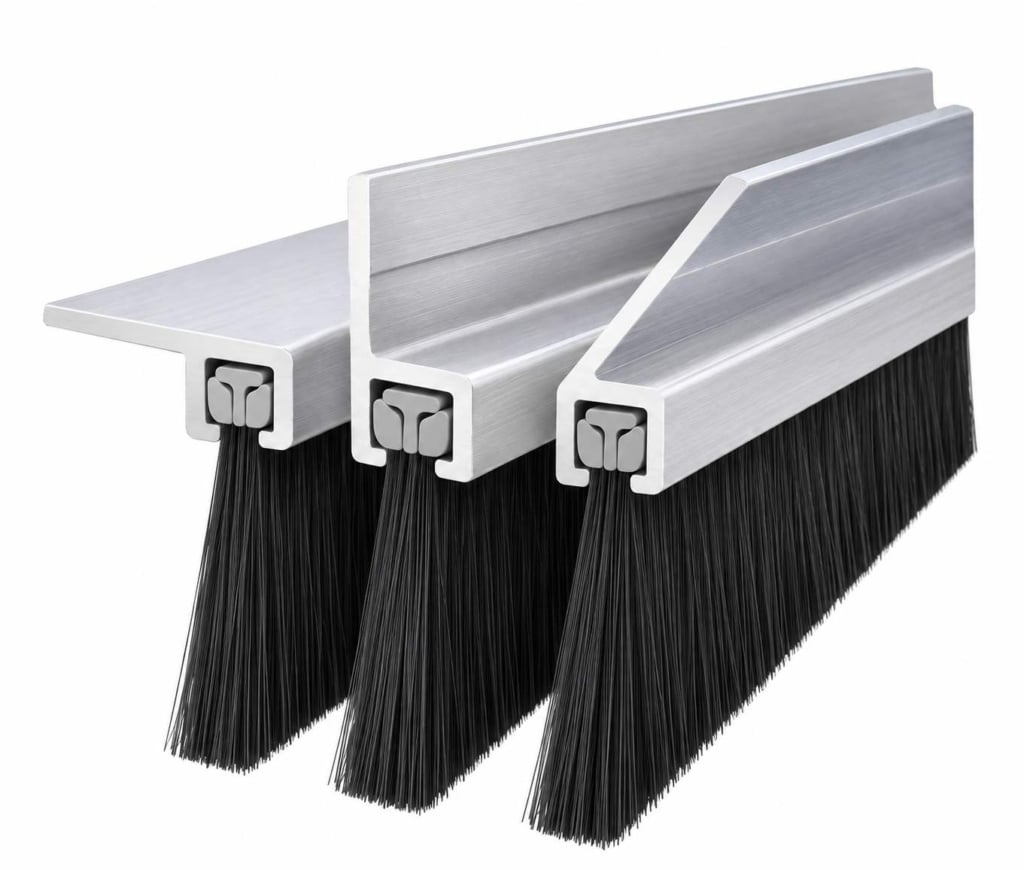
WHAT IS A BRUSH STRIP SEAL?
- Made from rows of bristles held in a carrier.
- The bristles make contact with the surface to help close gaps.
- Can be used around suitable doors and openings, including uneven surfaces where the bristles can follow the contour.
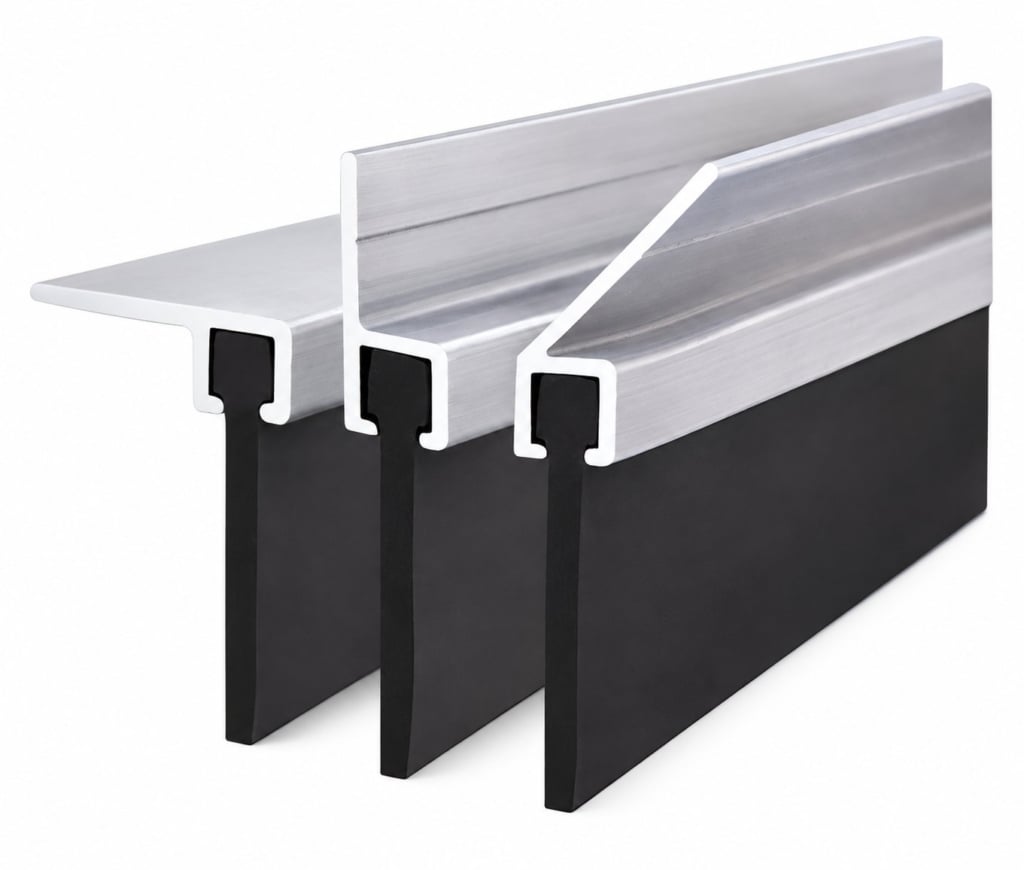
WHAT IS A GARAGE DOOR SEAL RUBBER STRIP?
- Uses a rubber insert held in a carrier.
- Can be fitted to suitable garage doors to help close gaps.
- Helps reduce the entry of rainwater, dirt and debris by creating a continuous rubber barrier, unlike brush bristles.
BRUSH STRIP VS RUBBER: WHAT’S THE DIFFERENCE?
The main difference is how each seal makes contact with the surface.
A brush strip uses flexible bristles, while a rubber seal uses a continuous rubber edge. Neither is automatically the best choice for every garage: the gap, the door’s movement and the type of protection you need all matter.
A brush strip may be suitable when flexible bristles are a good match for the application. A garage door seal rubber strip may be more appropriate when you need a continuous rubber contact surface to help block water and debris.
Before choosing a replacement, check the condition of your existing seal and look for any visible gaps around the garage door. This can help you determine which sealing option is most suitable.
WHICH SEAL IS BEST FOR YOUR GARAGE?
If rainwater is getting under the door
A garage door seal rubber strip may be a good option, particularly if the gap is at the bottom of the door. Formseal’s rubber seal is designed for the top and bottom of garage doors.
If water is entering where the closed door meets the floor, a floor threshold seal may be more suitable. It creates a raised, flexible barrier across the entrance.
If dust, leaves or debris are getting inside
Both brush strip and rubber seals can help reduce the amount of debris entering through a gap when correctly selected and fitted.
Think about the size and position of the opening, as well as the surface the seal needs to meet. A brush strip is useful for gaps where flexible bristles can reach the surface, particularly where there is some variation in the gap. Choose a bristle length that makes contact without bending excessively. A rubber garage door seal may be better for creating a continuous barrier along the top or bottom of the door.
If you want to reduce draughts
For draughts around the edges of a garage door, a brush strip can help block airflow while allowing the door to move against the bristles. For a gap beneath the door, a rubber seal may provide a closer barrier, provided it fits the gap correctly.
If you want to help keep pests out
Small gaps can provide access for insects and other unwanted visitors. A correctly chosen door seal can help reduce these entry points, but no seal should be treated as a guarantee against pests.
A brush strip can help cover narrow gaps while still allowing movement between surfaces. For larger gaps beneath the door, a rubber seal or floor threshold seal may be a better choice, as it creates a more substantial barrier.
NEEDING A REPLACEMENT?
It is also worth checking the condition of your existing garage door seal before choosing a replacement.
Over time, seals can become worn or damaged, reducing their ability to close gaps effectively. Look for visible openings around the door and check whether the seal makes proper contact with the surrounding surface. This can help you identify which type of replacement is most suitable.
Not sure which seal is right for your garage?
Call Formseal +44 (0) 1785 284808 and our team will be happy to help!
Related Blogs
Can Rodent Seals Help Prevent Pests Entering Your Garage?
03/11/2026Small gaps around a garage door can provide easy entry points for unwanted pests. Learn how to spot these gaps, how garage door seals can help and what else you can do to keep pests out.